Top sight
Top sight
Europe's most affordable capital — ancient ruins, Balkan soul, and a mountain on the doorstep.

Sofia is Bulgaria's dynamic capital, where Roman ruins sit beneath pedestrian streets, gold-domed Orthodox cathedrals anchor lively squares, and Mount Vitosha looms just minutes from the city center. It blends a gritty post-communist edge with a thriving café culture, vibrant nightlife, and a fast-growing digital nomad scene. As one of the cheapest capitals in the EU, it consistently punches above its weight on value, connectivity, and livability.
More cities for these months: Where to go in May · Where to go in June · Where to go in September · Where to go in October

Insider tips · Wanderlust Pro
Practical tips on the sights and neighbourhoods in this Sofiaguide — when to go, what most visitors miss. Written with AI about the guide's own places; double-check details before you go. Pro members see every tip.
The quick answers travelers want before they commit to flights, neighborhoods, and how long to stay.
Sofia Airport (SOF) is the main international gateway, located about 10 km east of the city center. The fastest and cheapest way in is Metro Line M4 (M2/M4 shared station at Terminal 2), which gets you to the city center in approximately 18 minutes. A single metro ticket costs €0.82 (tap contactless) with an automatic daily cap of €2.05 after three or more rides. Bus lines 84 and 184 also connect both terminals to the city center throughout the day. Since July 2025, night bus N4 serves both Terminal 1 and Terminal 2 hourly from midnight to ~4:00 AM. Taxis from the official Yellow Taxi desk in arrivals cost around €13–15 to the center; use the Taxi Me or Yellow Taxi apps to avoid unofficial drivers. There is no Uber in Bulgaria. A free shuttle bus connects Terminal 1 and Terminal 2 every 15 minutes between 05:00–23:00.
Sofia operates a unified public transport network — metro, buses, trams, and trolleybuses — all under one ticket system. A single ride costs €0.82 (valid 30 minutes); a transfer ticket valid for 60 minutes costs around €1.12. Pay by tapping a contactless bank card or mobile wallet on the validators. A monthly unlimited pass costs approximately €26, making it one of Europe's cheapest. The metro (4 lines, 47 stations, 52 km) is the fastest option during rush hour. Four night bus lines (N1–N4) run from midnight to ~4:00 AM, all converging at Knyaz Alexander Battenberg Square. The city center is compact and walkable. Ride-hailing via Bolt is widely used and cheap (no Uber). E-scooters and bike rentals are also available in the center. Taxis are metered; always confirm the meter resets before your ride.
The sweet spot for visiting Sofia is May–June and September–October. Spring brings blooming lilac and chestnut trees in Borisova Garden, comfortable temperatures of 15–25°C, and a city still free of peak-season crowds. June is especially good for outdoor activities and hiking on nearby Vitosha Mountain before the summer heat sets in. July and August are the most popular months, with daytime highs of 27–29°C and long sunny hours — but brief afternoon thunderstorms are common, and many locals head to the Black Sea coast, leaving Sofia noticeably quieter. Early autumn (September–October) is pleasantly cool, the foliage is beautiful, and crowds thin after the summer peak. Winter (December–February) is cold and often snowy, but offers cozy taverns, Christmas markets, and access to skiing at nearby Borovets and Bansko — all with minimal tourist crowds and the lowest hotel prices of the year. Note: as of 2026, most ski lifts on Vitosha Mountain itself are not operational due to ongoing disputes; hiking on foot is still accessible.
Start at Serdika metro station to view the exposed Roman ruins of ancient Serdica directly beneath the city streets. Walk to the Alexander Nevsky Cathedral — Sofia's most iconic landmark — and explore the adjacent square and crypt.
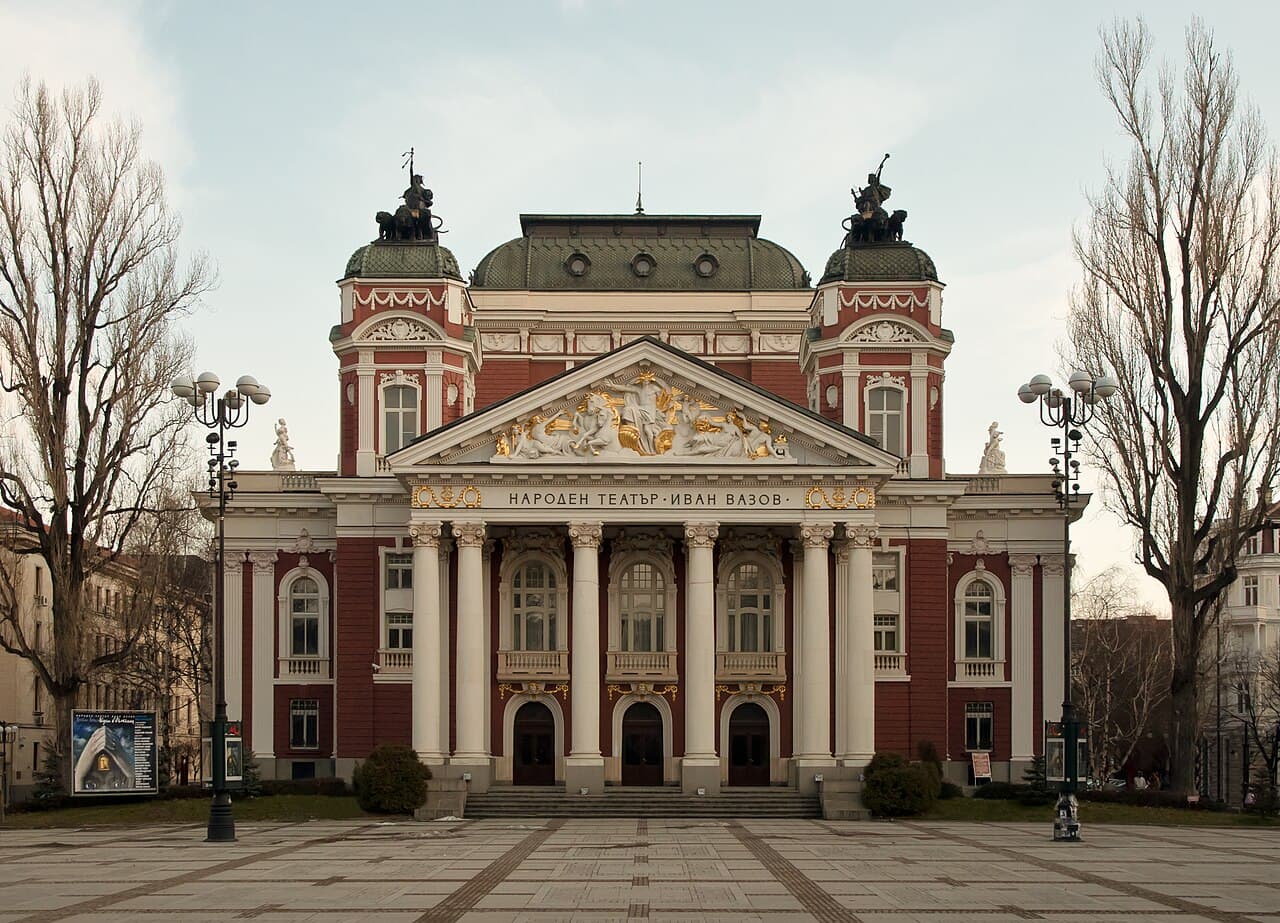
Head to Vitosha Boulevard (Sofia's main pedestrian shopping street) for lunch at a local mehana (tavern). Visit the Ivan Vazov National Theatre and stroll through the City Garden. Swing by the newly reopened Tsentralni Hali (Central Market Hall) for a taste of local food stalls.
Explore the bars and restaurants of the Oborishte and Sredets neighborhoods. Try kebapche or shopska salata at a traditional Bulgarian restaurant and finish with a rakia at a local bar.
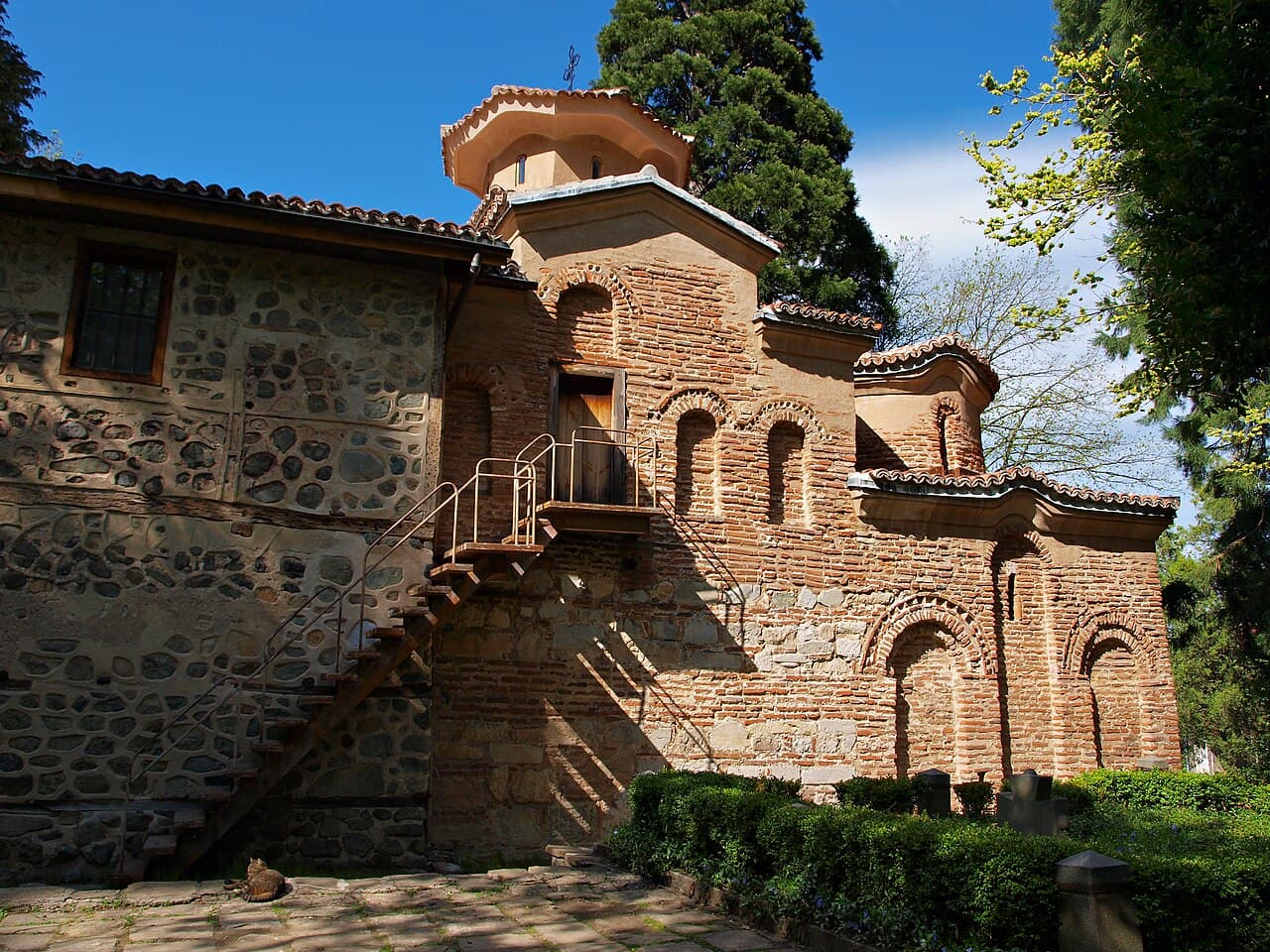
Visit the National Historical Museum (a short bus ride south) for Bulgaria's history from Neolithic times through the communist era. Pair it with a stop at the UNESCO-listed Boyana Church — a short drive or taxi ride away — to see its remarkable 13th-century frescoes.
Head back to the city and explore the Women's Market (Zhenski Pazar) for fresh produce and local goods. Walk through the vast Borisova Gradina park, Sofia's green lung, perfect for a picnic or rest under the chestnut trees.
Head to Lozenets neighborhood for dinner — this southern district is known for its lively restaurant row and bars. The area around Sofia Zoo and South Park is especially vibrant on warm evenings.
Take Bus 66 from Sofia Zoo through Dragalevtsi toward the foothills of Vitosha Mountain (note: gondola lifts are currently non-operational; hiking on foot from trailheads is available). Enjoy panoramic city views and fresh mountain air on one of the well-marked trails.
Return to the city and check out one of Sofia's growing coworking spaces — Betahaus, SOHO, or Puzl — popular with digital nomads. Pick up local cheeses and sweets at Tsentralni Hali.
End your trip with a sunset walk around the National Palace of Culture (NDK) square, Sofia's monumental communist-era landmark. The surrounding area comes alive at night with street performers, cafés, and summer events.
Real coworking spaces, laptop-friendly cafés, and libraries mapped near the center of the city — the closest, best-rated desks first.
Puzl CowOrKing
ulitsa „Alabin“ 58, Sofia 1000, Bulgaria
NGO House
ul. Hristo Belchev 3, Sofia 1000, Bulgaria
SOHO
ul. Iskar 4, Sofia 1000, Bulgaria
Trevor Workspaces
ul. Hristo Belchev 5, Sofia 1000, Bulgaria
Thai Chai Cafe
Sofia (in the passage, Sofia 1000, Bulgaria
Izzy's Coffee and Brunch
Knyagina Maria Luisa Blvd 17, Sofia 1000, Bulgaria
Pellini
ul. Saborna 4-Б, Sofia 1000, Bulgaria
Spitiko
ul. Sveta Sofia № 4, Sofia 1000, Bulgaria
City Library
ul. Serdika 1, Sofia 1000, Bulgaria
Vselena
Търговски дом, Sofia 1000, Bulgaria
Ask for cafés, quiet neighborhoods, date-night spots, or a first 48-hour plan.
Mention calls, Wi-Fi needs, or how much of the day has to stay laptop-friendly.
Get faster answers on where to stay, when to move neighborhoods, and what to skip.
Written by signed-in Wanderlust members. We don't check that a reviewer has visited.
No reviews of Sofia yet.
Tell the planner your dates, who's coming, your budget and pace, and it drafts a day-by-day itinerary you can edit.
Wanderlust Pro
Insider tips for Sofia, unlimited AI-built itineraries, and travel companions you can invite to plan a trip together. From $5.00/month, billed annually.
Insider tips · Wanderlust Pro
Practical tips on the sights and neighbourhoods in this Sofiaguide — when to go, what most visitors miss. Written with AI about the guide's own places; double-check details before you go. Pro members see every tip.